Are you tired of weak magnets ruining your product design? Choosing the wrong material causes total project failure. You need the absolute strongest magnetic force available to guarantee success.
The strongest commercially available permanent magnets1 are neodymium-iron-boron (NdFeB) magnets2. Top grades like N52 to N55 deliver the highest maximum energy product3. However, in absolute field strength, superconducting electromagnets4 in laboratories are far stronger than any permanent magnet.
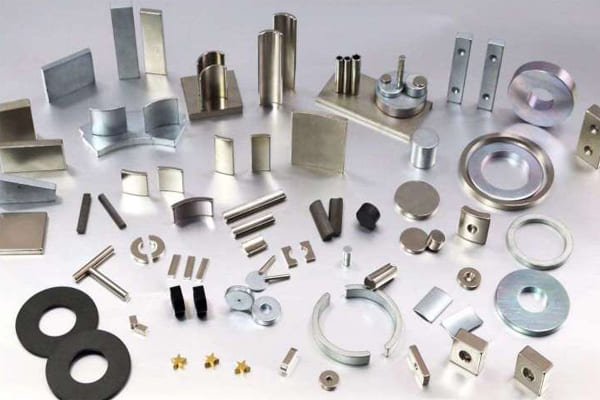
Many procurement managers buy the wrong magnets because they do not understand the difference between commercial permanent magnets and laboratory electromagnets. Let us look at the actual engineering facts so you can make the smartest purchasing decision for your next project.
How do permanent magnets compare to electromagnets?
Relying on permanent magnets for massive industrial lifting causes severe accidents. Your equipment will drop the load. You must know when to switch to active magnetic systems5.
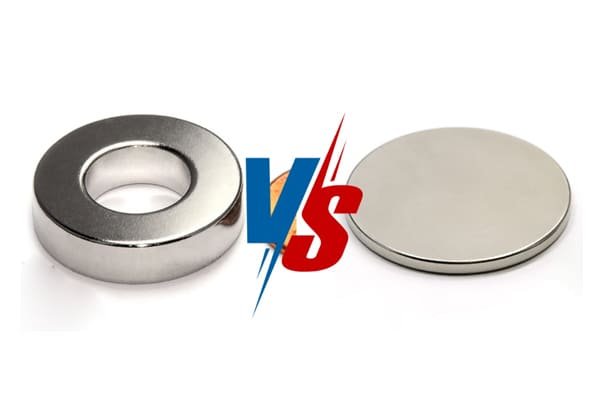
Permanent magnets like neodymium provide constant force without external power, perfect for compact electronics. Electromagnets require electricity but can generate massive, adjustable magnetic fields, making them vastly stronger for heavy industrial applications or laboratories.
Setting the Engineering Boundary
When my clients ask for the strongest magnet, I always clarify their actual needs. In the manufacturing world, we deal with permanent magnets. These materials maintain their magnetic field permanently without a power source. NdFeB is the absolute king here. We use them constantly in acoustic solutions6, electric vehicle motors7, and magnetic wireless chargers8.
However, physics laboratories and heavy scrap yards use electromagnets. These devices run high electrical currents through special coils. Superconducting electromagnets can reach incredibly high magnetic fields. They easily surpass any neodymium magnet on earth.
| Magnet Category | Power Source | Maximum Strength | Typical Applications |
|---|---|---|---|
| Permanent (NdFeB) | None | Very High | Consumer electronics, EV motors |
| Electromagnet | Electricity | Extreme | Scrap lifting, MRI machines |
You cannot put a huge superconducting electromagnet inside a consumer wireless charger. You must choose based on your specific product size and power limits. At MagniPro, we run full functional tests to guarantee performance, whether you need components for speakers or industrial tools. If you design consumer goods, NdFeB is your best choice. If you build scrap yard cranes, you need electromagnets.
Which permanent magnet material is the strongest?
Choosing a weak material makes your device heavy and bulky. You lose your competitive edge in the market. You need high energy density to shrink your product size.
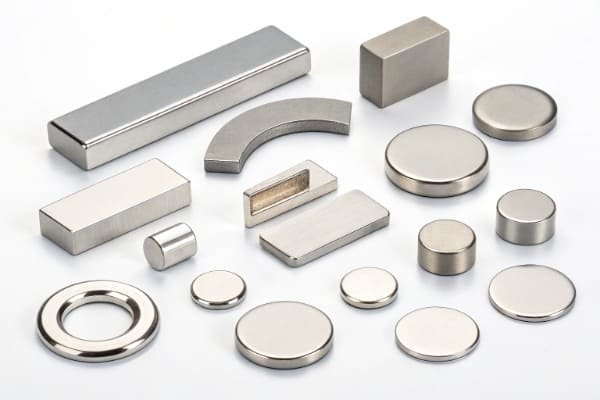
Neodymium (NdFeB) is the strongest permanent magnet material, offering the highest maximum energy product3. Samarium Cobalt9 ranks second, followed by Alnico10 and Ferrite magnets11. NdFeB provides the most magnetic flux per unit volume, allowing for extreme product miniaturization.
Comparing the Four Major Materials
I started MagniPro because I saw too many buyers wasting money on the wrong materials. Many buyers try to save money by purchasing Ferrite magnets11. Then they realize their product is too large to sell. You must understand the four main types of permanent magnets to make a smart choice.
Neodymium offers the highest maximum energy product3. This means it gives you the most energy from the smallest volume. Samarium Cobalt9 is slightly weaker but handles extreme heat much better. Alnico10 is older technology but still useful for very specific high-temperature sensors. Ferrite is the weakest but the cheapest option available.
| Material | Relative Strength | Cost Level | Corrosion Resistance |
|---|---|---|---|
| Neodymium (NdFeB) | Strongest | Medium-High | Poor (Needs coating) |
| Samarium Cobalt9 | Strong | High | Excellent |
| Alnico10 | Moderate | Medium | Good |
| Ferrite | Weakest | Low | Excellent |
Do not just look at the raw price. If you need a strong pull force in a tight space, neodymium is the only logical option for your business. The actual strength heavily depends on the geometry, the air gap, and the coating. We always help you calculate the exact performance based on your assembly layout.
How do you choose the right neodymium grade and temperature?
Specifying the wrong grade causes catastrophic motor failure. If your magnet loses its force when hot, your customer will complain. You must select grades very carefully.
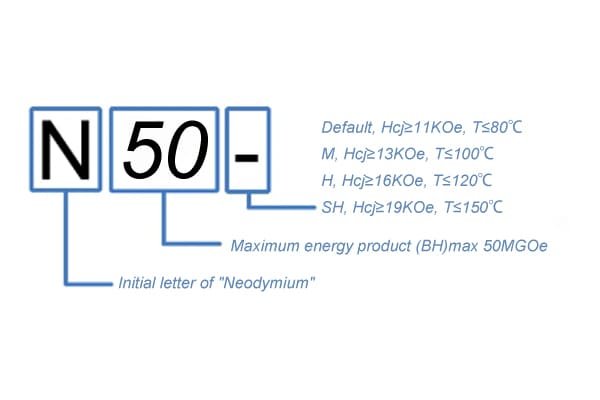
To choose the right neodymium grade, you must balance maximum magnetic strength with your required operating temperature. Grades like N52 offer maximum room-temperature strength, while high-coercivity12 grades like EH or AH resist demagnetization in extreme heat environments.
Balancing Strength and Heat Resistance
A common mistake I see from overseas procurement managers is always requesting the highest grade available. They think higher numbers always mean better magnets. This is a dangerous oversimplification. The number only tells you the maximum energy product3 at room temperature.
You must look at the letters after the number. These letters indicate the intrinsic coercivity12. Coercivity is the magnet's ability to resist losing its strength when exposed to heat. A standard magnet will begin to lose power at relatively low temperatures. If you build motors that get hot, a standard grade will fail completely.
| Grade Suffix | Max Operating Temperature | Typical Application |
|---|---|---|
| None (e.g., N52) | Low heat | Consumer electronics, packaging |
| M, H | Medium heat | Acoustics, small motors |
| SH, UH, EH | High heat | Industrial motors, EV traction |
Always test your magnets under real working conditions. We help our clients adjust the grade to ensure the product survives peak operating temperatures without wasting money on over-engineered materials. You must balance the exact specifications to keep your margins high and risks low.
How can you ensure safety and compliance during shipping?
Strong magnets can easily crush fingers during assembly. Improper packaging will block your shipment at the airport. You must follow strict safety and logistics rules.
Always wear protective gloves and use non-magnetic spacers when handling strong neodymium magnets. Keep them far away from pacemakers and electronic devices. For air shipping, use specialized iron shielding packaging13 to pass strict aviation magnetic flux inspections and prevent delays.

Protecting Your Team and Your Supply Chain
At MagniPro, product quality is our top priority, but safety comes first. Neodymium magnets are incredibly strong. They will snap together across a table and crush fingers instantly. They are also brittle like ceramic. When they crash together, they shatter, sending sharp splinters flying into eyes.
You must train your assembly team to slide magnets apart rather than pulling them. Furthermore, strong magnetic fields interfere with medical implants like pacemakers. Keep them isolated. When it comes to logistics, you cannot just put strong magnets in a standard cardboard box. Aviation authorities have strict rules.
| Safety Hazard | Prevention Method |
|---|---|
| Pinching fingers | Use non-magnetic spacers and gloves |
| Shattering | Never let magnets snap together |
| Shipping delays | Use iron sheet magnetic shielding |
Our factory adheres to strict ISO quality standards14. We conduct rigorous drop tests and thermal shock tests15 before we even think about packing your order. We use soft iron materials to contain the magnetic field inside the package. This ensures your cargo passes air freight inspections smoothly, so you never miss your peak sales season.
Conclusion
NdFeB is the strongest commercial permanent magnet. Match the correct grade to your temperature needs, handle them safely, and partner with a reliable manufacturer to guarantee your product success.
---Understand the different types of permanent magnets and their specific applications in various fields. ↩
Explore the applications of NdFeB magnets to understand their significance in various industries. ↩
Learn about maximum energy product to grasp how it affects magnet performance and selection. ↩
Discover the principles behind superconducting electromagnets and their advantages over permanent magnets. ↩
Find out how active magnetic systems differ from permanent magnets and their uses in industry. ↩
Explore how magnets are used in acoustic solutions and their impact on sound technology. ↩
Learn about the role of magnets in electric vehicle motors and their importance in modern transportation. ↩
Discover the technology behind magnetic wireless chargers and their benefits for consumer electronics. ↩
Explore the applications of Samarium Cobalt magnets and their advantages in high-temperature environments. ↩
Learn about Alnico magnets, their properties, and where they are commonly applied. ↩
Understand the benefits and limitations of Ferrite magnets in various applications. ↩
Discover the concept of coercivity and its importance in selecting the right magnet for your needs. ↩
Explore the importance of iron shielding packaging for safe transport of strong magnets. ↩
Understand the significance of ISO quality standards in ensuring product safety and reliability. ↩
Learn about thermal shock tests and their role in ensuring the durability of magnet products. ↩