Sourcing components blindly wastes money. If you don't know where neodymium magnets excel, you risk buying overpriced or underperforming parts. Let's match the right magnet to your specific industry.
NdFeB magnets1 are essential in the automotive, information technology, medical, and renewable energy2 industries. They provide unmatched magnetic strength in small sizes, powering electric vehicle motors3, smartphone acoustics, MRI machines4, and wind turbines. Choosing the right magnet ensures your final product operates reliably and efficiently.
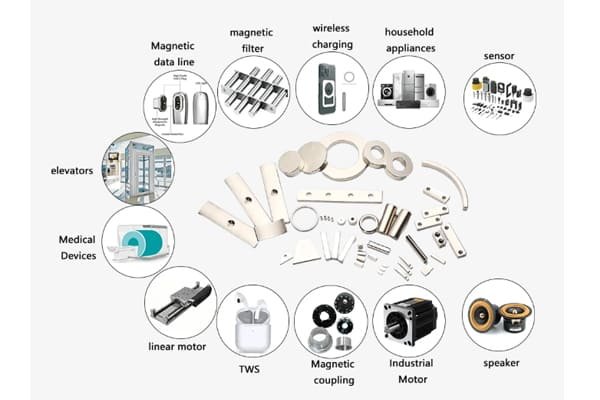
I have seen many procurement managers fail because they treat magnets like generic hardware. Let's look at how top industries use these powerful components so you can make smarter purchasing decisions.
How Are NdFeB Magnets Used in the Automotive Industry?
Heat destroys standard magnets. If your car motor fails on a hot day, your brand reputation dies. You need magnets that survive extreme under-hood conditions.
In the automotive industry5, NdFeB magnets power electric vehicle (EV) traction motors, power steering systems, and various sensors. High-temperature grades like SH, UH, or EH are used to prevent demagnetization, ensuring the vehicle operates safely and efficiently even in extreme heat.
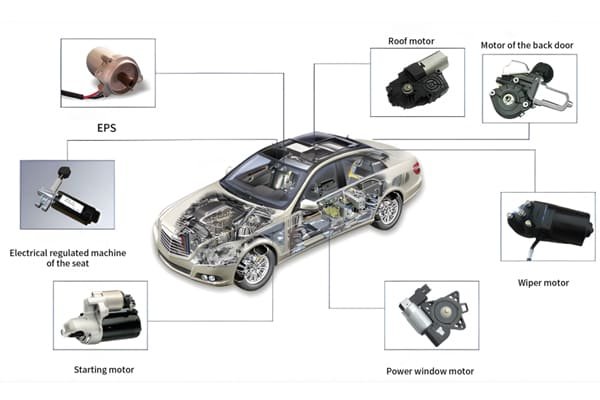
The shift toward electric and hybrid vehicles has made the automotive sector the largest consumer of high-performance NdFeB magnets. As a procurement officer, you must understand that not all magnets survive in a car.
EV Traction Motors
The core of an electric car is its motor. These motors generate massive heat. Standard N-grade magnets will quickly lose their force here. You must specify high-coercivity grades like EH or AH. These grades contain heavy rare earth elements like Dysprosium6, which keep the magnet stable at temperatures up to 200°C.
Sensors and Actuators
Modern cars have dozens of sensors for safety, like ABS and electric power steering. These require precise magnetic fields. If a magnet degrades, the sensor fails, leading to dangerous driving conditions.
Cost vs. Performance
When sourcing for automotive, never just look at the lowest price. A failed magnet costs you far more in product recalls. Partner with suppliers who have IATF 16949 certification7 to guarantee zero defects.
| Application | Typical Grade | Operating Temp | Key Sourcing Focus |
|---|---|---|---|
| Cabin Sensors | N, M Series | 80°C - 100°C | Cost-effectiveness and consistent size |
| Power Steering | SH Series | 120°C - 150°C | Thermal stability |
| Traction Motors | EH, AH Series | 180°C - 220°C | Maximum heat resistance and strict quality control |
Why Do Information Technology and Electronics Need Neodymium?
Bulky devices do not sell. If your electronic product is too heavy or weak, customers will buy from your competitor. NdFeB magnets solve this space issue.
The IT and electronics industries use NdFeB magnets to make devices smaller and faster. They are the driving force in hard disk drives8 (HDDs), smartphone vibration motors, and acoustic systems9 like headphones and speakers, delivering maximum power in microscopic spaces.
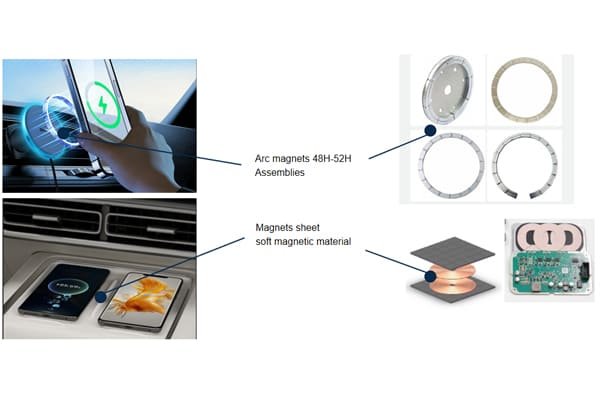
In the electronics sector, miniaturization is the rule. I often talk with clients designing acoustic solutions or smart devices. They always want a stronger magnetic force in a smaller footprint. This is exactly where neodymium shines.
Acoustics and Audio
Whether it is a premium soundbar or tiny wireless earbuds, the speaker relies on a magnetic field to move the diaphragm. NdFeB magnets are vastly superior to older Ferrite magnets here. They allow engineers to design loud, clear audio drivers that weigh almost nothing. If you build acoustic solutions, this is your core component.
Hard Disk Drives (HDDs)
Data centers still rely heavily on HDDs for massive storage. The actuator arm inside the drive uses a Voice Coil Motor (VCM). This mechanism uses incredibly strong N52 or N54 grade magnets to position the read/write head with nanometer precision.
Smart Devices and Haptics
Your phone's vibration and camera autofocus depend on tiny neodymium magnets.
| Component | Magnet Function | Sourcing Priority |
|---|---|---|
| Speakers/Headphones | Drives the voice coil | High Remanence (Br), precise dimensions |
| Hard Drives (VCM) | Positions the read head | Maximum strength (N52/N54), zero defects |
| Vibration Motors | Creates tactile feedback | Consistency, low cost at high volume |
What Role Do NdFeB Magnets Play in Medical Devices?
Medical failures are unacceptable. A rusty or unstable component in a health device puts lives at risk. You must source clean, reliable, and perfectly coated magnets.
NdFeB magnets are critical in medical technology10. They generate the massive, stable magnetic fields required for MRI machines4 and provide precise control in robotic surgical tools. They are also widely used in dental equipment and advanced magnetic drug delivery systems.

When supplying the medical industry, the conversation changes from pure power to absolute safety, stability, and longevity. You are not just buying a piece of metal; you are buying a critical component for patient care.
MRI Scanners
Magnetic Resonance Imaging (MRI) machines require a highly uniform and powerful magnetic field to look inside the human body. Neodymium magnets provide this field. The consistency of the magnet batch is vital here. A slight variation in magnetic flux can ruin the imaging quality.
Surgical Tools and Dentistry
Robotic arms for surgery use small, strong servo motors powered by NdFeB. In dentistry, these magnets hold tools and prosthetics firmly in place without taking up space in the patient's mouth.
Coating and Biocompatibility
Medical magnets often face harsh sterilization processes or contact with bodily fluids. Standard coatings will rust quickly. You need specialized protection.
| Medical Application | Key Function | Required Coating/Protection |
|---|---|---|
| MRI Machines | Creates imaging field | Standard, but requires high batch consistency |
| Dental Tools | Holds parts securely | Parylene or Gold (biocompatible) |
| Blood Separators | Isolates cells | Epoxy (chemical and fluid resistant) |
How Do Green Energy Systems Utilize NdFeB Magnets?
Inefficient power generation loses money. Using outdated generators in wind projects means wasted energy and high maintenance costs. Neodymium magnets boost efficiency dramatically.
The renewable energy2 sector relies on NdFeB magnets to convert natural power into electricity efficiently. Direct-drive wind turbines use massive neodymium magnets in their generators to eliminate heavy, fragile gearboxes, ensuring reliable power generation even at very low wind speeds.
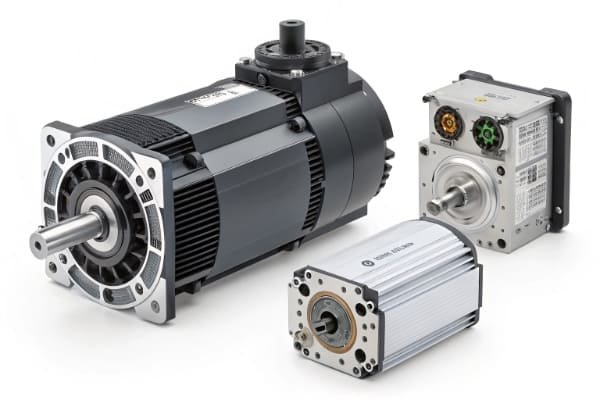
Green energy is about capturing nature's power with minimum loss. Neodymium magnets act as the ultimate energy converters. If you are sourcing for large-scale industrial projects, you must think about a 20-year lifespan in harsh environments.
Wind Power Generation
Traditional wind turbines use gearboxes that break down frequently. Modern Direct-Drive Permanent Magnet Generators (PMG) use tons of NdFeB magnets instead. This design removes the gearbox, making the turbine lighter, much more reliable, and capable of generating power smoothly, even when the wind is weak.
Ocean and Tidal Energy
Similar to wind, wave energy systems use these magnets to turn the movement of water into electricity. Because these are offshore applications, the magnets face extreme salt corrosion.
Coating is Your Best Defense
If the magnet rusts, the generator fails. You must ask your supplier for extended salt spray test reports11.
| Energy Source | Equipment | Biggest Threat | Sourcing Solution |
|---|---|---|---|
| Wind (Offshore) | Direct-Drive Generator | Salt spray, humidity | Heavy-duty Epoxy coating (NSS > 500 hrs) |
| Hydroelectric | High-efficiency turbines | Moisture, vibration | Strong physical casing, anti-corrosion layer |
| Solar Tracking | Servo motors | Outdoor heat cycling | High Hcj grades (SH/UH) with Zinc/Epoxy |
Conclusion
NdFeB magnets are the hidden engines driving automotive, electronics, medical, and green energy innovations. Understanding your specific industry requirements ensures you source the right grade and coating every time.
Explore how NdFeB magnets are revolutionizing multiple industries with their unique properties. ↩
Find out how these magnets enhance efficiency in green energy applications like wind turbines. ↩
Discover how these magnets power the future of electric vehicles with efficiency and reliability. ↩
Understand how NdFeB magnets contribute to high-quality medical imaging. ↩
Learn about the critical role of NdFeB magnets in enhancing vehicle performance and safety. ↩
Discover how Dysprosium enhances the performance of NdFeB magnets in high-temperature applications. ↩
Learn about the significance of IATF 16949 certification in ensuring quality in automotive components. ↩
Discover how NdFeB magnets enable precision and efficiency in data storage solutions. ↩
Learn how these magnets enhance sound quality in speakers and headphones. ↩
Understand the vital role of NdFeB magnets in ensuring safety and precision in medical devices. ↩
Learn why salt spray tests are crucial for ensuring the durability of magnets in harsh environments. ↩